



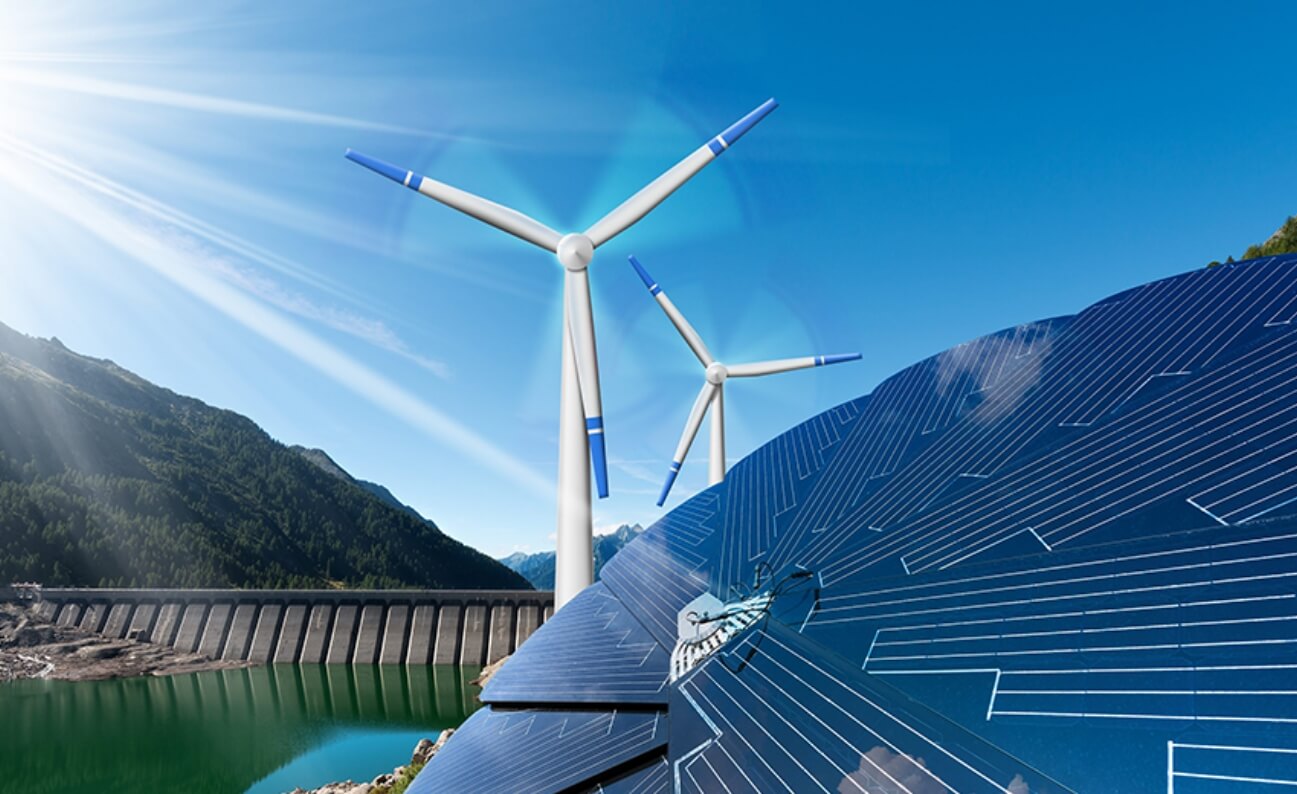

Exploring New Technologies That Are Transforming Renewable Energy Storage
As the global demand for clean and sustainable energy continues to rise, solar energy is emerging as a powerful solution for developing countries. Many developing nations face challenges such as unreliable electricity supply, limited grid infrastructure, and increasing energy demand. Solar power offers a practical and affordable way to address these issues while promoting economic growth and environmental sustainability.
One of the main advantages of solar energy is its abundance and accessibility. Many developing countries are located in regions that receive strong sunlight throughout the year.
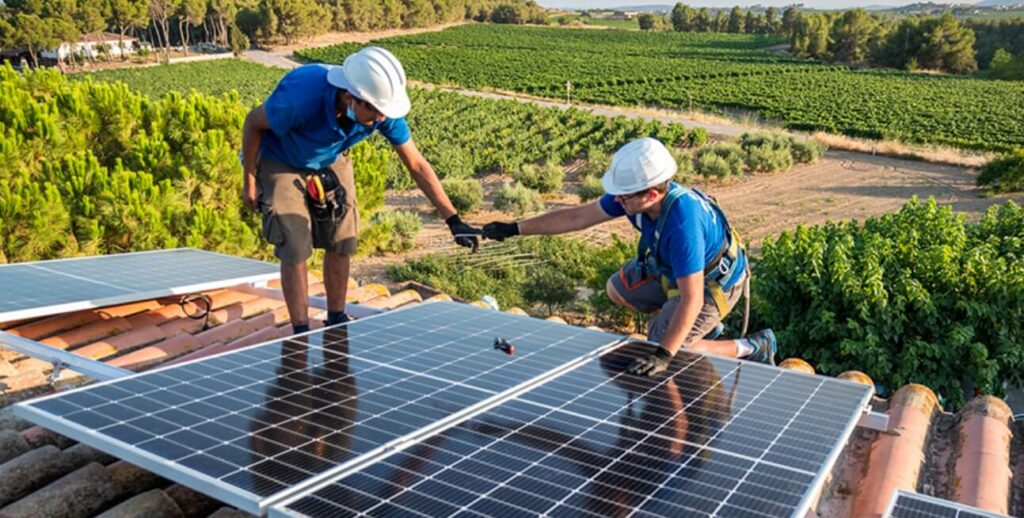
This natural resource provides an opportunity to generate electricity without relying heavily on imported fossil fuels. By investing in solar energy, countries can reduce their dependence on traditional energy sources and improve their energy security.
Solar energy is also playing a crucial role in expanding electricity access to rural and remote areas. In many developing countries, millions of people still live without reliable electricity. Extending traditional power grids to remote villages can be expensive and time-consuming. Solar systems, especially small-scale solar home systems and mini-grids, provide an efficient alternative. These solutions allow communities to power homes, schools, and healthcare centers even in areas far from national power grids.
Solar energy has the potential to transform the economic and social development of emerging nations. Reliable electricity enables businesses to operate more efficiently, improves education through access to digital tools, and strengthens healthcare systems by powering essential medical equipment. By providing affordable and sustainable electricity, solar power can help lift communities out of energy poverty and create new opportunities for innovation and economic growth.
Another important factor driving the future of solar energy in developing countries is the declining cost of solar technology. Over the past decade, the cost of solar panels and energy storage systems has dropped significantly. This has made solar installations more affordable for governments, businesses, and households. Additionally, international organizations and investors are increasingly supporting renewable energy projects in developing regions.
The Future of Efficient Solar Systems
Technological advancements are also improving the efficiency of solar systems. Modern solar panels generate more electricity while requiring less space, and improved battery storage allows solar energy to be used even when the sun is not shining. These innovations make solar energy a reliable and long-term solution for meeting growing energy demands.
Solar energy is becoming a powerful and practical solution for developing countries, providing reliable, affordable, and sustainable electricity while supporting economic growth and reducing dependence on traditional energy sources.
However, challenges remain. Developing countries must address issues such as financing, infrastructure development, and technical training for renewable energy professionals. Governments and policymakers play a crucial role in creating supportive policies and encouraging investment in solar energy projects.
Key Benefits of Solar Energy for Developing Countries
- Many developing countries receive strong sunlight throughout the year, making solar energy a widely available and sustainable resource that reduces reliance on imported fossil fuels.
- Solar home systems and mini-grids provide an efficient way to deliver electricity to rural and remote communities where extending traditional power grids is costly and difficult.
- Reliable solar-powered electricity supports businesses, improves education through digital tools, and strengthens healthcare systems by powering essential medical equipment.
- Advances in solar panel technology and energy storage have significantly reduced costs while improving efficiency, allowing more electricity to be generated using less space.
- By adopting solar power, developing countries can reduce carbon emissions, improve energy independence, and build a cleaner and more sustainable energy future.
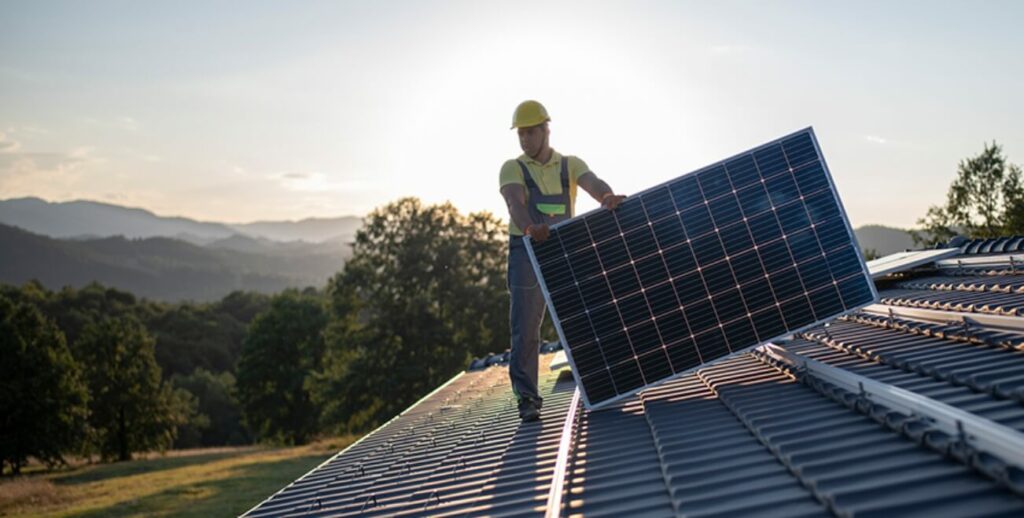
In conclusion, the future of solar energy in developing countries is promising and full of opportunities. With abundant sunlight, decreasing technology costs, and growing global support for renewable energy, solar power can significantly improve energy access and economic development. By investing in solar infrastructure and innovation, developing nations can build cleaner, more resilient energy systems and move toward a more sustainable future for their communities and economies.






Wp-energiso
May 10, 2023Um mit dem Freischalten, Bearbeiten und Löschen von Kommentaren zu beginnen, besuche bitte die Kommentare-Ansicht im Dashboard.
Die Avatare der Kommentatoren kommen von Gravatar.